
The Complete Guide to Fence Maintenance: Protecting Your Chattanooga Property All Year Long
Welcome to the first installment of our Chattanooga Fencing & Home Security Monthly Series! Here at Action Fence Company of Chattanooga, we have spent over 45 years helping families, businesses, and agricultural property owners across Tennessee, North Georgia, and Alabama protect what matters most. With over 150 years of combined team expertise, we’ve seen firsthand how regional weather patterns affect perimeter security.
Whether you manage a sprawling industrial facility, a commercial office park, or a cozy suburban backyard, your fence is a significant investment. However, Chattanooga’s distinct climate: characterized by high summer humidity, severe spring storms, autumn temperature drops, and winter freeze-thaw cycles: takes a toll on outdoor structures.
In this comprehensive guide, we will break down seasonal maintenance strategies for wood, vinyl, chain link, and aluminum fences, provide actionable tips, and explain when it’s time to call a professional fence company in Chattanooga.
Understanding Chattanooga’s Climate Challenges
Before diving into material-specific maintenance, it is crucial to understand why upkeep matters in our region.
- High Humidity & Moisture: Southeast Tennessee and North Georgia experience heavy humidity and frequent rainfall. Moisture is the number one enemy of wood, promoting mold, mildew, rot, and pest infestations.
- Severe Thunderstorms & High Winds: Spring and summer storms frequently bring sudden downpours and strong gusts. These winds put immense lateral pressure on privacy fences and gates, testing post depth and hardware integrity.
- Freeze-Thaw Cycles: Winter temperatures in the Tennessee Valley fluctuate above and below freezing. When trapped moisture in soil or porous fence materials freezes, it expands, causing soil shifting around posts and cracking in masonry or vulnerable surfaces.
Regular inspections and proactive care insulate your property against these elements, saving you from premature replacement costs.
Material-by-Material Maintenance Guide
Every fencing material reacts differently to the environment. Below is your seasonal roadmap for keeping your perimeter strong and beautiful.
1. Wood Fences: Beauty That Demands Care

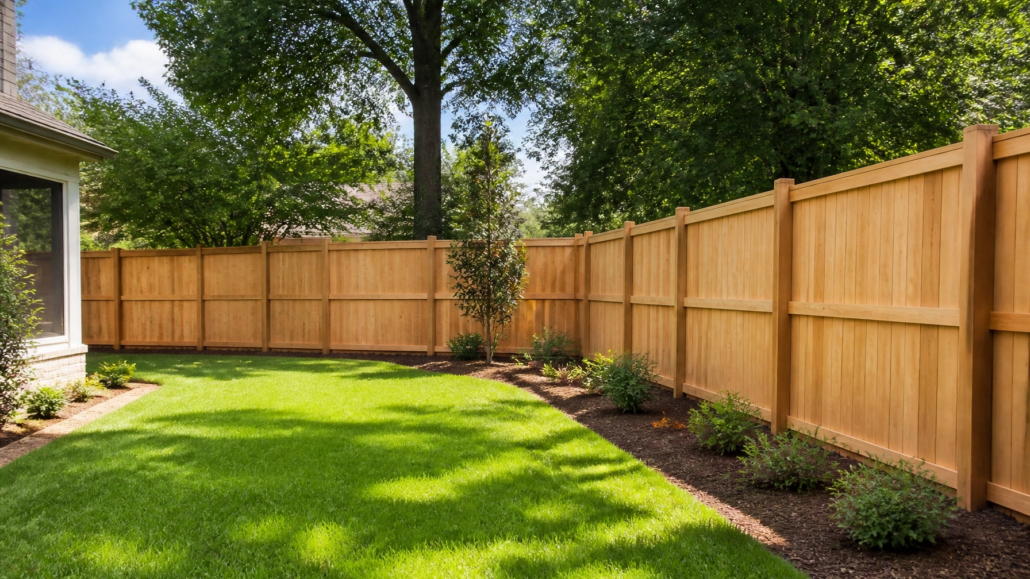
Wood fences (such as cedar, pine, or pressure-treated lumber) offer classic privacy and timeless curb appeal. Because wood is organic, it requires the most vigilant upkeep in our humid climate.
- Annual Cleaning: Wash your wood fence every spring using a wood-safe cleaner or mild detergent solution. This removes accumulated dirt, Chattanooga pollen, and stubborn mildew spores. If using a pressure washer, keep the PSI low (under 1,500) and hold the wand at a safe distance to avoid gouging the grain.
- Staining and Sealing: Stain is not just cosmetic; it acts as a vital water repellent.
- If you have a newly installed pressure-treated wood fence, wait 4 to 6 weeks for the wood to dry before applying your first stain.
- Choose a dry window when temperatures are between 50°F and 85°F (late spring or early fall is ideal).
- Reapply transparent stains every 2–3 years, semi-transparent stains every 3–5 years, and solid-color stains every 5–7 years.
- Post-Storm Inspections: Walk your fence line after heavy storms. Check for leaning sections, warped pickets, popped nails, and ground rot at the base of the posts. Replacing a single cracked board immediately prevents rot from spreading.
For expert guidance or full restoration projects, explore our residential fencing services.
2. Vinyl Fences: Low-Maintenance Resilience

Vinyl fencing has exploded in popularity across Chattanooga, North Georgia, and Alabama because it offers exceptional durability with minimal hassle. It won't splinter, rot, or attract termites.
- Periodic Washing: While vinyl resists decay, it can accumulate grime, mud, and algae from local humidity. Wash your vinyl fence annually using mild soap and water or a non-abrasive household cleaner. Rinse thoroughly with a garden hose.
- Hardware & Post Stability: Heavy winds can occasionally loosen vinyl gate latches or shift posts if soil erodes. Check post bases after heavy rains to ensure they remain plumb and firm in the ground.
- Scuff and Stain Removal: Stubborn marks can be gently buffed out with a magic eraser or a specialized vinyl cleaner, avoiding harsh abrasives that scratch the surface.
3. Chain-Link Fences: Strength and Economy
Chain-link is a trusted standard for backyards, commercial properties, and agricultural land due to its robust steel construction and protective metallic or vinyl coatings.
- Rust Prevention: Most chain-link fencing is galvanized steel or vinyl-coated. Inspect the mesh: especially near the bottom where it meets damp soil or mulch: for chipped coatings or surface rust. Treat minor rust spots immediately with a wire brush, rust-inhibiting primer, and matching paint.
- Tension & Hardware Checks: Check top rails, tension wires, and tie wires annually. Tighten loose bolts and replace worn gate hinges so the gate swings smoothly without dragging.
For robust perimeter solutions, check out our professional chain link fence installation page.
4. Aluminum Fences: Elegant & Rust-Resistant
Aluminum provides the sophisticated look of traditional wrought iron without the heavy weight and high maintenance. It is naturally corrosion-resistant, making it a fantastic choice for pool enclosures and decorative front yards.
- Finish Inspection: Inspect the powder-coated finish for scratches or chips caused by lawnmowers, falling branches, or pets. Touch up any bare metal promptly with exterior-grade touch-up paint to prevent localized oxidation.
- Fastener Maintenance: Ensure screws, brackets, and gate latches remain tight. Chattanooga winds can vibrate hardware loose over time, especially on frequently used pedestrian and driveway gates.
Don't Forget Your Gate: Automated Entry Systems
Your fence is only as secure as its entry points. If you utilize automated driveway gates for your home or business, regular maintenance is essential to avoid motor strain and security lockouts.
- Keep Tracks & Sensors Clear: Remove leaves, twigs, and debris from gate tracks and photoelectric safety sensors weekly. Chattanooga autumn leaves and spring pollen can easily obstruct sensors and cause gates to malfunction.
- Lubricate Moving Parts: Apply a silicone- or lithium-based lubricant to hinges, rollers, and chains twice a year. Avoid thick greases that attract dirt and grit.
- Professional Servicing: If you are searching for reliable driveway gates installers near me or need preventative maintenance on an access control system, our technicians at Action Fence Company of Chattanooga service all major residential and commercial automated gate brands.
Partnering with Chattanooga’s Fencing Experts
While routine cleaning and minor tightening are great DIY weekend projects, structural repairs, major storm damage restoration, and custom installations require professional expertise.
With 45 years of service across Tennessee, North Georgia, and Alabama, Action Fence Company of Chattanooga treats every client as a partner rather than just a customer. Whether you need a secure commercial fencing upgrade or seasonal fence repairs, our team delivers unmatched craftsmanship and comprehensive warranty coverage.
Ready to protect your property? Contact us today to schedule an inspection or consultation, and stay tuned for the next installment in our monthly series!