

Commercial vs Agricultural Fencing: Which Security Solution Is Better For Your Business?
Running a business in Tennessee, Georgia, or Alabama means making smart decisions about property security. When it comes to fencing, you might be wondering whether commercial or agricultural fencing is the right fit. While both serve important purposes, they're designed for completely different environments: and choosing the wrong one could leave your business vulnerable.
Let's break down the real differences between these two fencing types and why commercial security fencing is almost certainly the better choice for your business.
Understanding Commercial Fencing
Commercial fencing is purpose-built for businesses, industrial sites, schools, and government facilities. The primary goal? Security and protection. These systems are designed to deter unauthorized access, integrate with modern security technology, and maintain a professional appearance that reflects well on your brand.
Commercial fences typically range from 4 to 8 feet in height, depending on your specific business needs and location. A retail storefront might use a 4-foot decorative fence to guide foot traffic and define boundaries, while a warehouse or distribution center would likely need a 6 to 8-foot chain link or steel fence for maximum security.
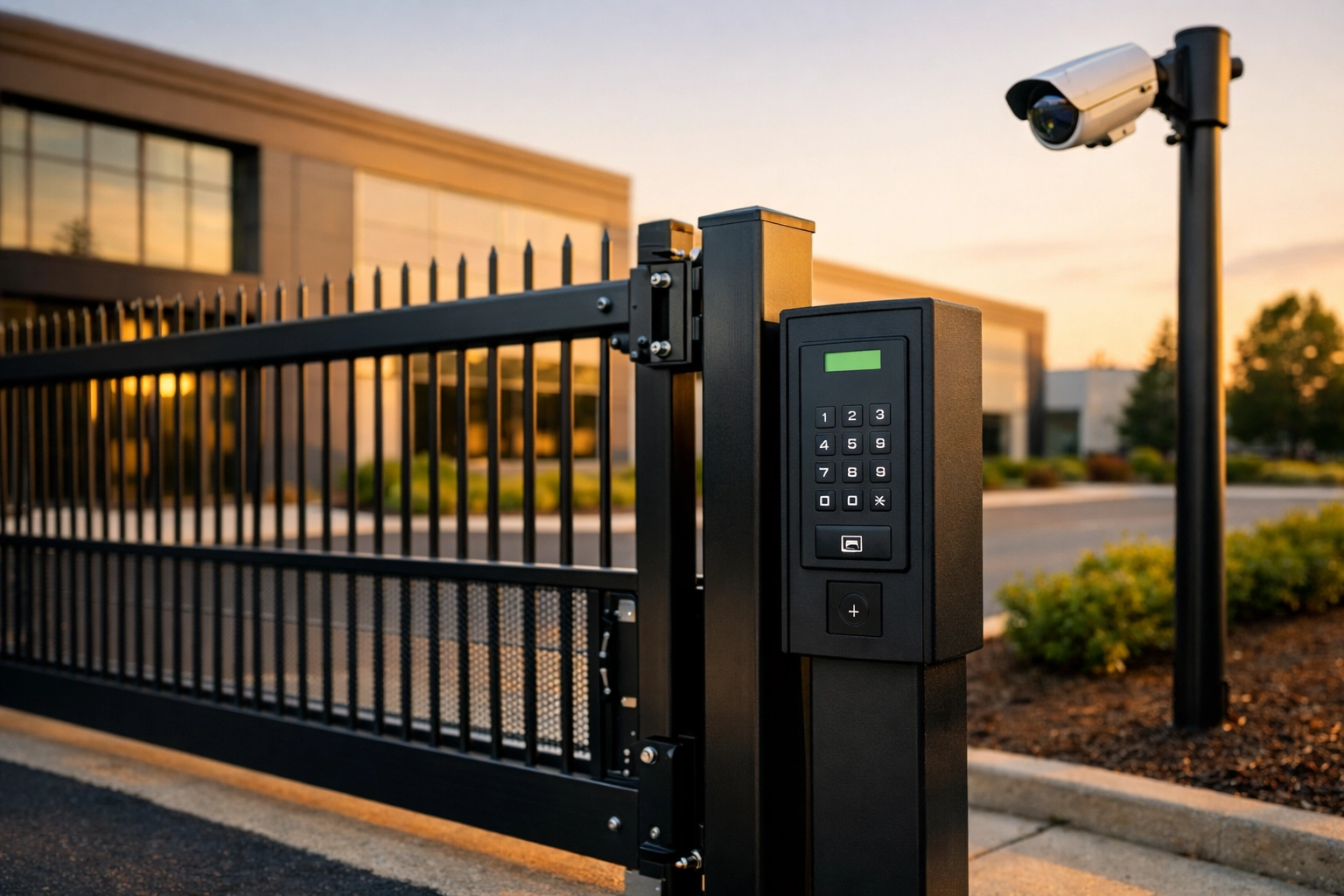
What sets commercial fencing apart is its focus on controlled access and deterrence. These aren't just barriers: they're integrated security solutions. Commercial systems often include features like:
- Entry and exit gates with electronic access control
- Integration points for security cameras and alarm systems
- Anti-climb designs and tamper-resistant hardware
- Professional finishes that complement your business aesthetic
- Compliance with local zoning and safety regulations
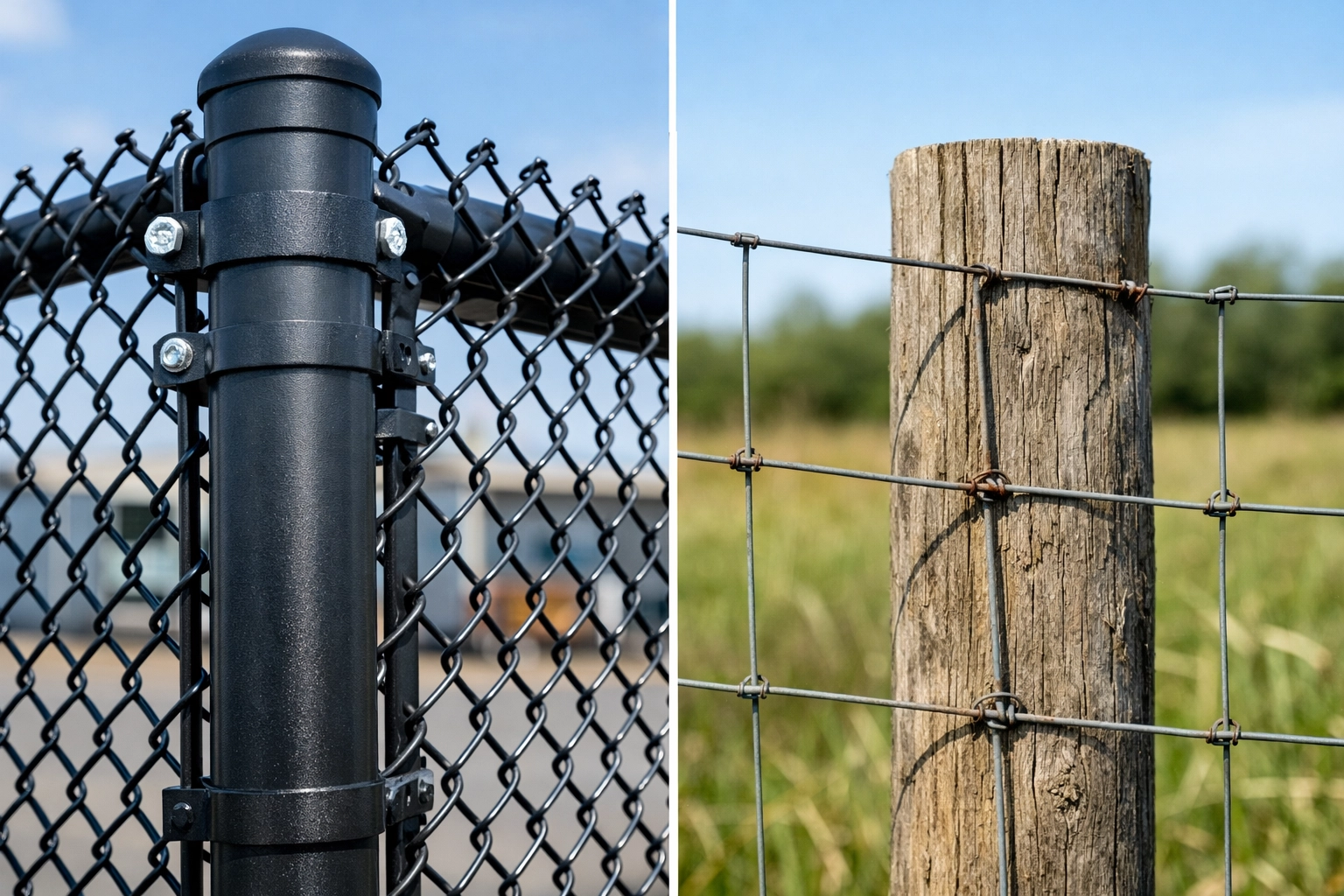
The materials matter too. Commercial fencing uses heavy-duty options like galvanized steel, aluminum, welded wire panels, and commercial-grade chain link that can withstand attempted break-ins and harsh weather conditions year after year.
What Agricultural Fencing Is Really For
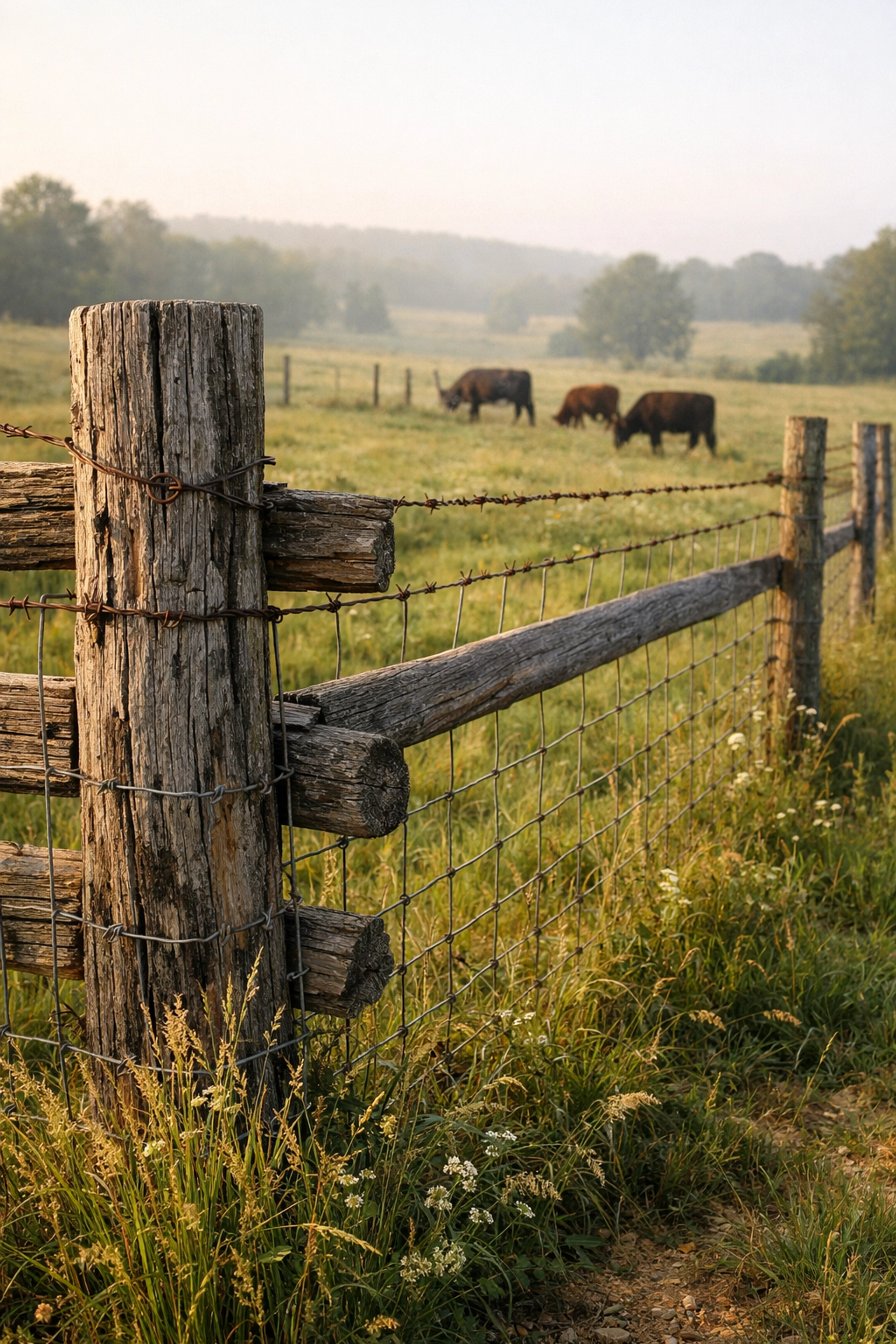
Agricultural fencing serves an entirely different purpose. It's designed for farms, ranches, and rural properties where the main concern is livestock containment: keeping animals in and predators out.
These fences cover large areas of land (often many acres) and need to be economical. That's why agricultural fencing typically costs between $5 and $15 per linear foot. The design priorities are completely different: flexibility over strength, affordability over sophisticated security features, and functionality in rural environments rather than professional appearance.
Common agricultural fencing types include barbed wire, woven wire, electric fencing, and split-rail options. While these work great for their intended purpose: managing cattle, horses, or sheep across wide-open spaces: they simply weren't designed to stop human intrusions or protect valuable business assets.
The Critical Differences That Matter to Your Business
Here's the bottom line: agricultural fencing is about containment, while commercial fencing is about deterrence and security. That fundamental difference impacts everything from the materials used to the installation process and long-term effectiveness.
Security Level: Commercial fencing uses materials and designs specifically engineered to prevent unauthorized access. Agricultural fencing, on the other hand, is designed to keep animals from wandering: not to stop determined intruders.
Professional Appearance: Your fence makes a statement about your business. Commercial fencing maintains a polished, professional look that reinforces your brand. Agricultural fencing, while practical for farms, doesn't project the image most businesses want to convey.
Integration Capabilities: Modern businesses need fencing that works with security cameras, electronic gates, and alarm systems. Commercial fencing is designed with these integrations in mind. Agricultural fencing? Not so much.
Liability Protection: About 60% of commercial thefts are related to physical security breaches. A proper commercial fence doesn't just protect your assets: it demonstrates reasonable security measures that can protect you from liability claims.
Why Businesses Need Commercial Fencing
Across Tennessee, Georgia, and Alabama, a wide range of business types: from manufacturing and distribution to retail and professional services: require real security solutions. Whether you're protecting inventory, equipment, customer vehicles, or sensitive information, commercial fencing offers the comprehensive protection your business needs.
Consider your specific situation. Do you have:
- Valuable inventory or equipment stored outdoors?
- Customer or employee vehicles on-site?
- Liability concerns about unauthorized access?
- Insurance requirements for physical security measures?
- Zoning regulations that specify fencing standards?
If you answered yes to any of these questions, commercial fencing isn't just the better option: it's likely the only appropriate option for your property.
Commercial security fencing can be customized to match your exact needs. Need maximum security? Expanded metal systems or welded wire panels provide virtually climb-proof protection. Want something that balances security with aesthetics? Ornamental aluminum fencing offers both beauty and strength. Operating a facility that needs visibility for security monitoring? Chain link fencing provides see-through security that works perfectly with camera systems.
Features That Make Commercial Fencing Worth the Investment
The difference between commercial and agricultural fencing becomes even clearer when you look at the specific features available with commercial systems:
Controlled Access Points: Commercial fencing includes professional gates with options for keypads, card readers, or remote access systems. You control exactly who enters your property and when.
Durability: Commercial-grade materials stand up to tampering attempts and weather extremes. These fences are built to last decades, not just a few seasons.
Customization: From height and color to decorative elements and security add-ons, commercial fencing can be tailored to your exact specifications and aesthetic preferences.
Compliance: Commercial fencing is designed to meet local building codes, ADA requirements, and industry-specific regulations: something agricultural fencing rarely addresses.
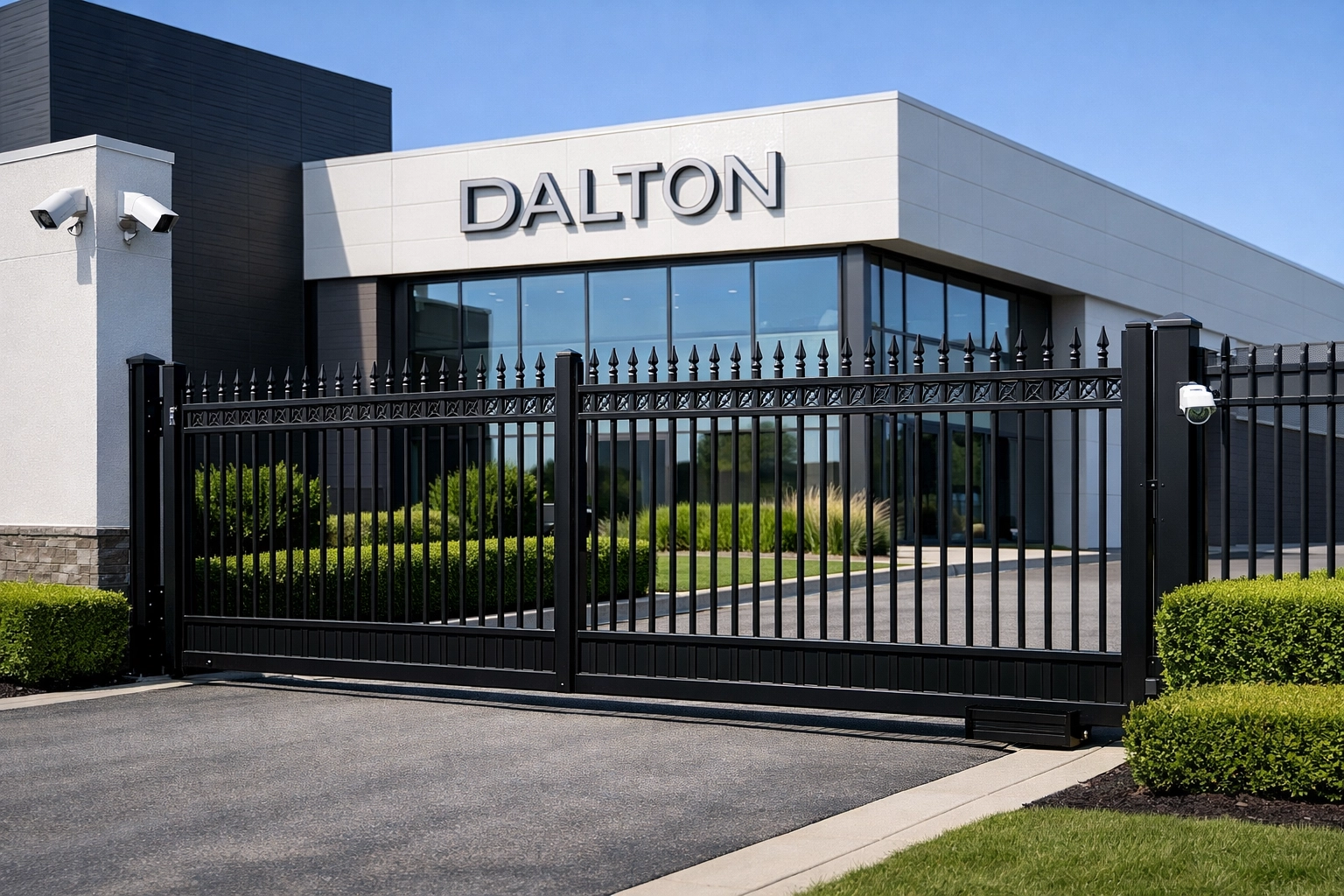
Security Integration: Modern commercial fences work seamlessly with cameras, motion sensors, and lighting systems to create a comprehensive security perimeter.
Making the Right Investment for Your Business
While agricultural fencing might seem like a budget-friendly option, it's a false economy for business applications. You're not just buying a fence: you're investing in security, liability protection, and professional appearance.
The cost of a security breach: whether it's stolen equipment, vandalism, or liability from an unauthorized person accessing your property: far exceeds the difference in fencing costs. Plus, many insurance companies offer reduced premiums for businesses with proper security measures in place, helping offset the initial investment.
At Action Fence Company of Chattanooga, we've helped countless businesses across Tennessee, Georgia, and Alabama find the right commercial fencing solutions for their unique needs. We understand local requirements, common security challenges, and how to design systems that deliver real protection without breaking the budget.
Your Next Steps
Choosing between commercial and agricultural fencing for your business isn't really a choice at all: it's about recognizing that your business deserves purpose-built security solutions. Agricultural fencing simply wasn't designed for the challenges businesses face.
Ready to protect your business the right way? We'll help you assess your property, understand your security needs, and design a commercial fencing solution that delivers lasting protection and professional appearance. Your business deserves security solutions that actually work( not compromises that leave you vulnerable.)